
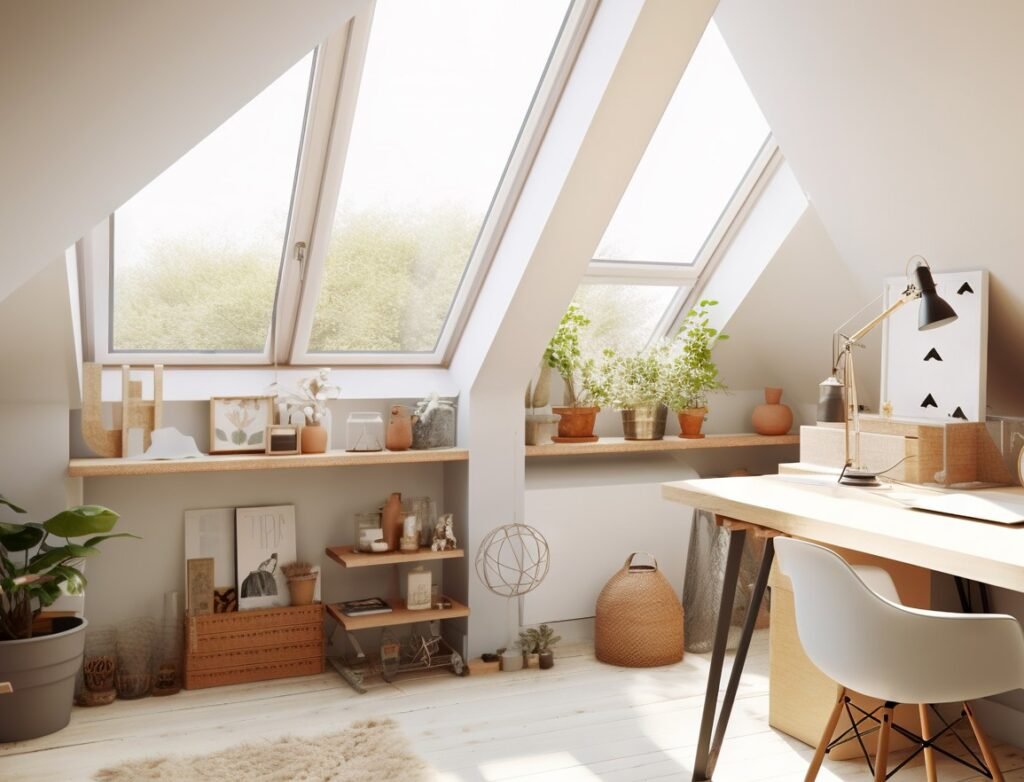
If you’re thinking of turning your loft into a new space – perhaps an extra bedroom, a home office, or just a place to breathe – one question usually pops up before anything else:
Do I need planning permission for a loft conversion?
It’s a fair question, to be honest. Planning rules can be a right old maze, especially when every house in every street and local authority seems to have its own quirks.
At Timber Construction Ltd – based here in Essex – we deal with this stuff all the time. So let’s go through it step by step, using plain English and real-world guidance.
Planning Permission vs Permitted Development Rights
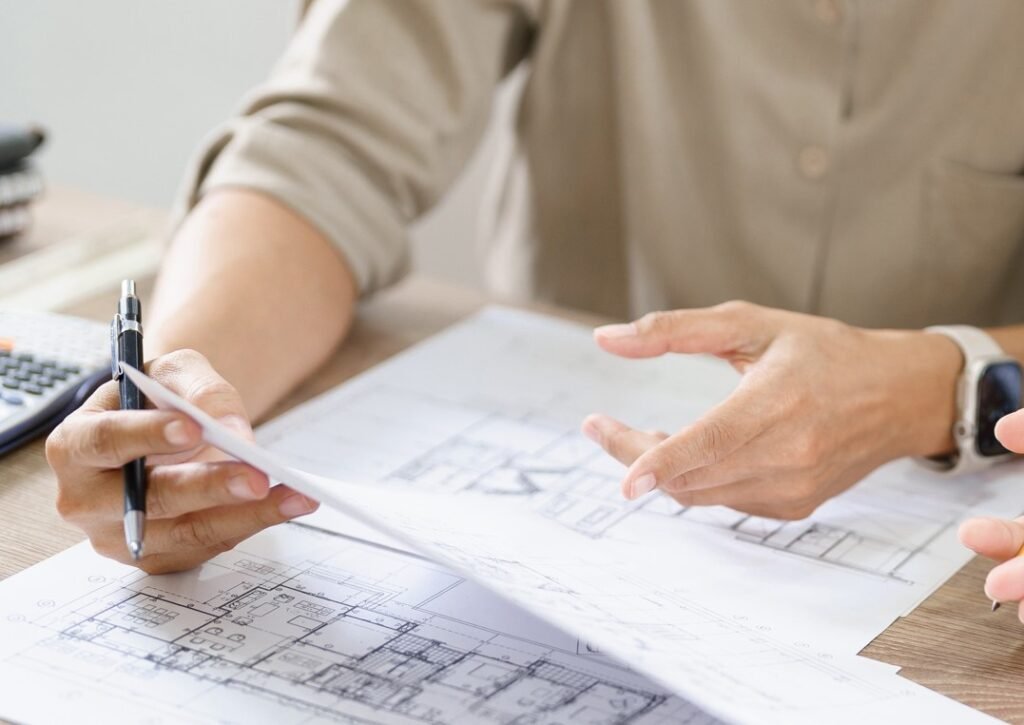
Loads of loft conversions fall under permitted development rights – which means you don’t need to submit a full planning application. These householder permitted development rights let you get on with certain types of home improvement without having to ask permission, as long as you keep it within certain limits.
Of course, permitted development isn’t a free pass. There are rules around the existing roof, roof pitch, vertical wall extensions, new windows and how much volume you can add to the property.
If you’re still unsure, the planning portal is a good place to start looking for guidance. But it’s not always going to tell you how your specific house in Essex will be treated. That’s where local experience really comes in handy.
What Are the Permitted Development Limits for Loft Conversions?
Under permitted development:
- A terraced house can usually add up to 40 cubic metres
- A semi-detached house or a detached house can add up to 50 cubic metres
The conversion must:
- Fit within the existing roof structure
- Not stick out beyond the front roof slope
- Use materials that match the building’s style
- Avoid balconies or raised platforms
A rear dormer usually works. A front-facing dormer usually doesn’t – unless you apply for planning permission.
When Do You Need Planning Permission?

You’ll probably need planning permission if:
- The property is a listed building
- The home is in a conservation area, a national park, or any other designated area
- The property is in an area of outstanding natural beauty
- You want to make major changes to the roof shape or height
- The development goes over the permitted development limits
In these cases, you’ll have to submit proposals to your local planning authority for approval. This becomes a full planning application – sometimes referred to as a formal planning application.
Can I Convert a Loft Without Planning Permission?
Yes, many people can convert a loft without needing planning permission by using permitted development.
However, we recommend applying for a lawful development certificate. This document confirms that your loft conversion complies with development rights. And it’s especially helpful if you’re selling the property later or dealing with solicitors.
Without it, questions can still pop up – even if the work was technically allowed.
What About Building Regulations Approval?
Regardless of planning permission, building regulations approval is always needed for a loft conversion.
Building regulations cover:
- Structural safety
- Fire protection
- Staircase design
- Insulation
- Soundproofing
- Load calculations from a structural engineer
Skipping this step is a bad idea. Without approval, you could face serious issues – including an enforcement notice from the local authority.
Is It Illegal to Convert a Loft Without Building Regulations?
Yes, it is.
Even if no planning permission was needed, carrying out building work without building regulations approval can cause problems with insurance, resale, and safety. We’ve seen projects stall or become costly to fix because this stage was overlooked.
Do You Need to Get Prior Approval or Inform Neighbours?
Most loft conversions don’t need prior approval, but you may need to notify neighbours under the Party Wall Act if shared walls are affected.
While not always legally required, communicating with them is a good idea. Building work can be pretty disruptive, and a bit of notice goes a long way.
How Much Does Planning Permission and a Loft Conversion Cost?
- Planning permission application fee (England): £258
- Loft conversion cost: typically varies based on size, design, and complexity
The factors that affect cost include:
- Roof alterations
- Structural steel
- New stairs
- Fire safety upgrades
- Creating new rooms or bathrooms
Getting a realistic budget sorted out early on helps the project stay on track.
Special Cases: Other Areas and Regions
Rules are different in Northern Ireland, where permitted development rights are more limited. Flats and maisonettes don’t benefit from the same development rights as houses.
Always check guidance specific to your area before you begin work.
Final Thoughts
A loft conversion is a big home improvement project, but when done right, it can turn existing space into valuable new space.
At Timber Construction Ltd, we support homeowners right the way through the process – from early advice and planning, through design, approval, and construction. We help figure out whether you need planning permission, guide you through the planning portal, and ensure all building regulations are complied with.
If you’re thinking of a loft conversion in Essex and need some straight-shooting advice to help you make an informed decision, have a chat with us as soon as you can.
We’d love the chance to pop round to your place, have a natter about the ideas you’re playing with & give you a no strings attached quote to show you how you can gain some extra room in your home – all without the hassle.